Session 1: Principles of Biogas#
Learning Objectives#
By the end of this session, you should be able to:
Understand how airtightness, temperature, and the Carbon/Nitrogen ratio affect biogas production.
Understand the design of the CREATIVenergie Expanding Bag Digester and how it works.
Compare different types of biodigesters and their advantages and disadvantages.
Case Study: Overview of a Biogas Digester#
Elvis introduces how a biogas digester works and its many uses.
Biogas Production Basics#
Biogas is produced when micro-organisms break down organic matter in an anaerobic (oxygen-free) environment. This is the same natural process that occurs inside a cow’s stomach, where microbes digest food and release methane gas.
There are four key principles you must understand to run a successful biogas digester.
1. Airtightness is Essential#
Biogas production only occurs without oxygen — this process is called Anaerobic Digestion (AD). If the digester is not completely sealed, microbes will not produce methane effectively.
Airtightness is achieved two ways:
Ensuring the bag is properly sealed.
Maintaining the correct balance of input and output so the slurry always covers the throat, preventing gas escaping.
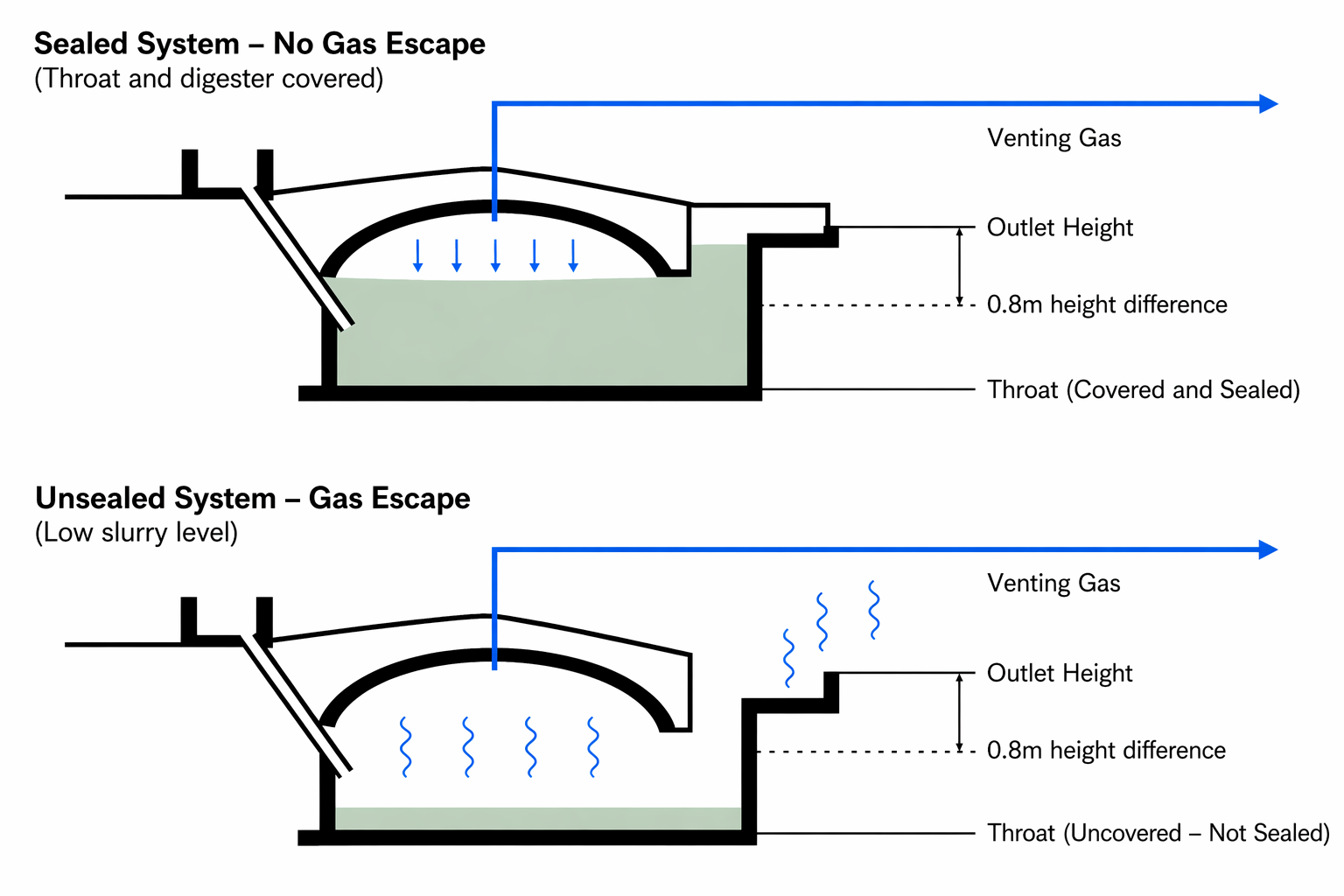
Fig. 1 A properly sealed digester retains all gas for cooking and productive use.#
Before a bag digester is filled with slurry it must be tested for leaks — even a small hole in the seam will let gas escape and waste your energy. In Session 7 (Building) you will go through the full installation process step by step; this simulation shows you the testing method so you already understand what good airtightness looks and feels like before you get there.
🫧 Interactive: Airtightness Test Simulation
A new bag has just been glued and is ready to install. Follow the steps below to test it for leaks before lowering it into the pit.
2. Temperature Control#
Temperature has a major impact on biogas production:
Temperature Range |
Effect |
|---|---|
Below 10°C |
Production stops |
10–29°C |
Slow production |
30–40°C (Mesophilic) |
Ideal range — most common |
40–70°C (Thermophilic) |
Higher yield, but sensitive to fluctuation |
Keeping temperature stable within 30–40°C helps maintain efficient, continuous gas production.
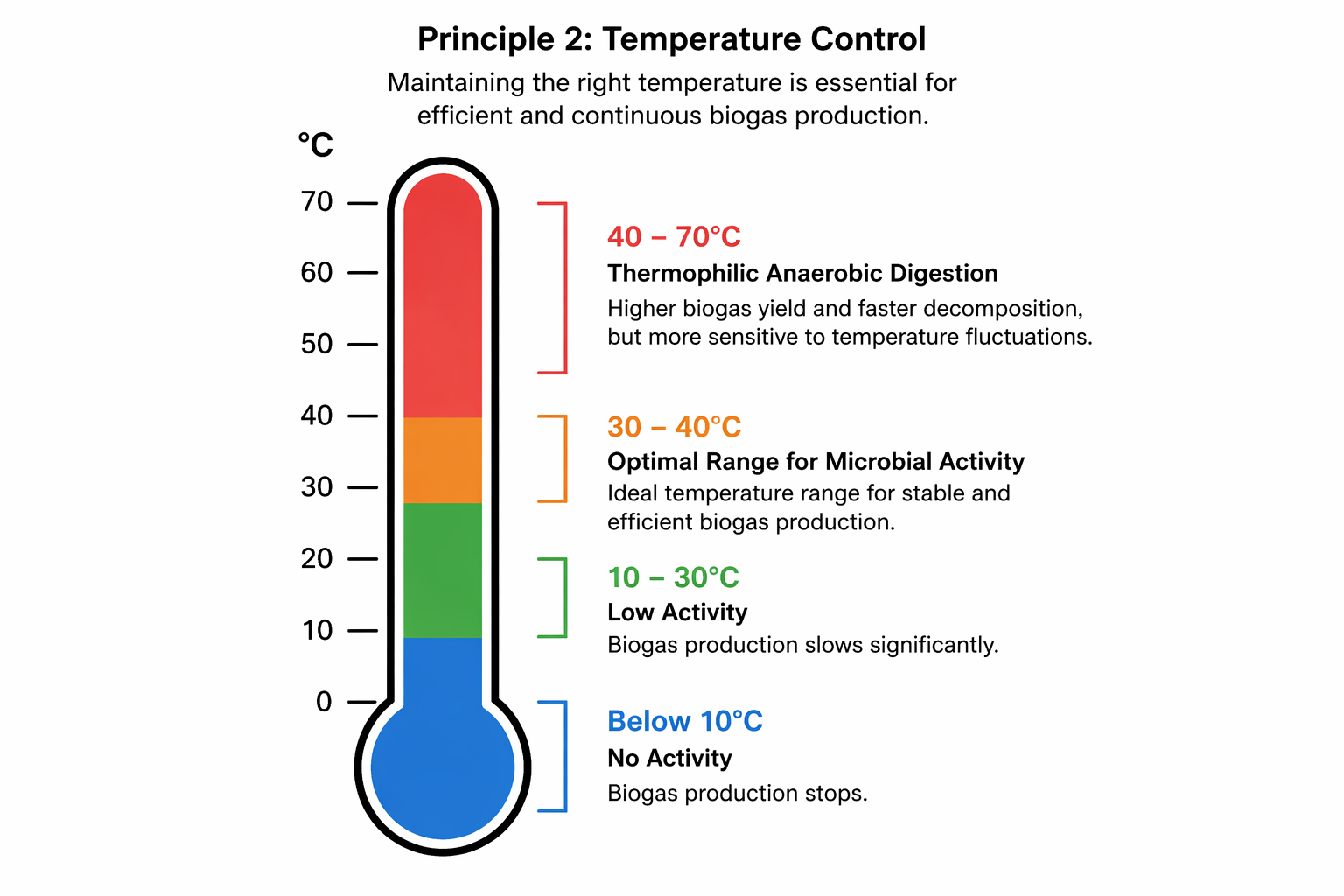
Fig. 2 Biogas production rate across the temperature spectrum — the mesophilic range (30–40°C) offers the best balance of yield and stability.#
🌡️ Temperature Explorer — try it!
Drag the slider to see how temperature affects biogas production rate.
3. Retention Time#
Retention time is how long organic material stays inside the digester before it is pushed out. For maximum biogas yield, material needs to stay inside for around 40 days at 30–40°C.
Things that affect retention time:
Available digester size
Temperature
Type and amount of feedstock
Note
The more you feed the digester each day, the faster you push older material out — shortening retention time.
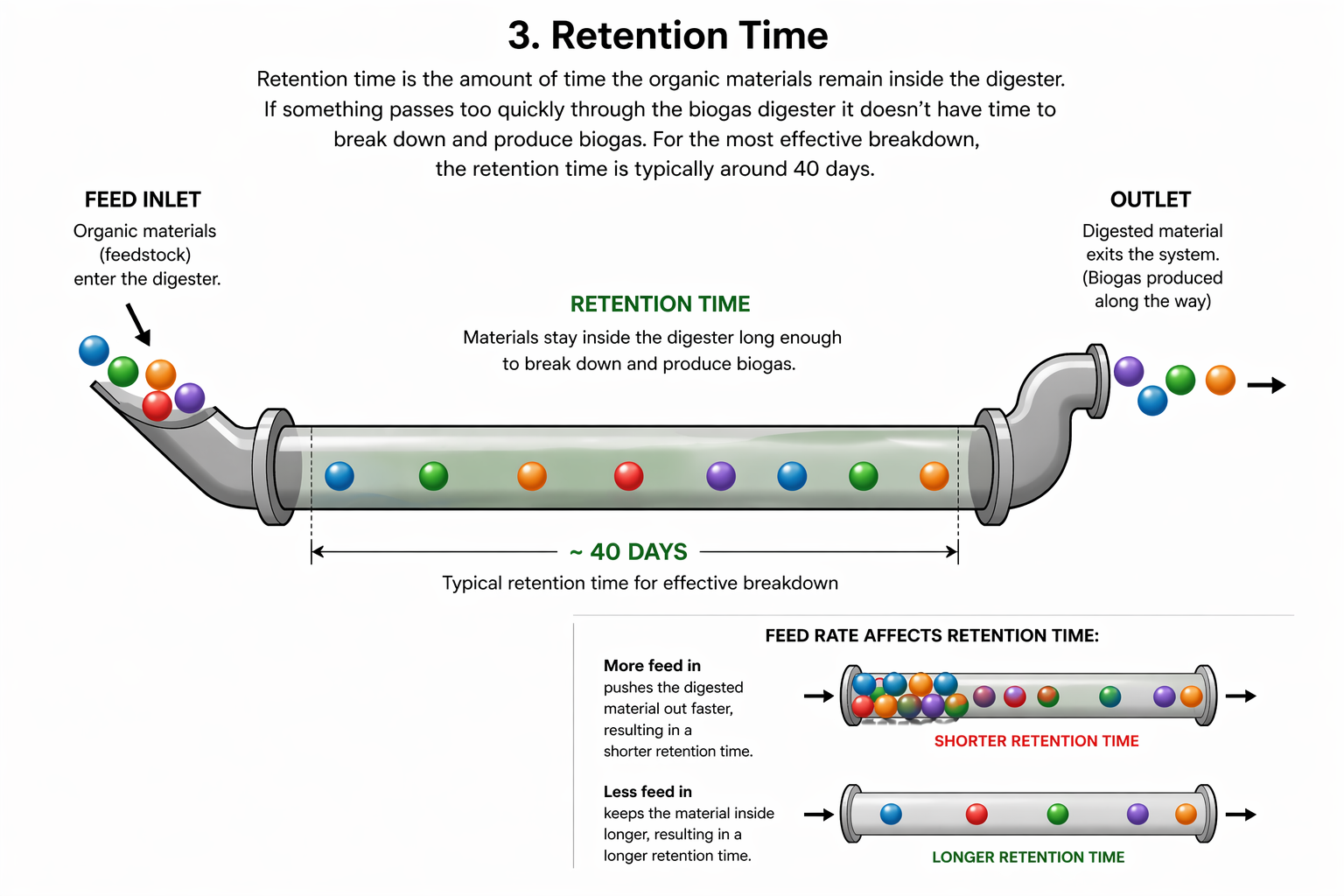
Fig. 3 Material moves through the digester over a 40-day retention period, emerging as nutrient-rich bio-slurry.#
4. Carbon-to-Nitrogen (C/N) Ratio#
The ideal C/N ratio for biogas production is 20–30 (20–30 parts carbon per 1 part nitrogen).
Problem |
Cause |
Effect |
|---|---|---|
C/N too high |
Too much carbon |
Very slow decomposition |
C/N too low |
Too much nitrogen |
Harms microbes, reduces gas |
Common Feedstocks and Their C/N Ratios#
Feedstock |
C/N Ratio |
Notes |
|---|---|---|
Cow Dung |
20–30 |
✅ Ideal — best feedstock |
Pig Droppings |
13–20 |
Good, may need balancing |
Chicken Manure |
7–10 |
High in nitrogen — mix with straw |
Kitchen Food Waste |
13–16 |
Good, but avoid bones or sharp objects |
Human Faeces |
6–10 |
Usable — extend retention time to 95 days |
Sawdust |
200–500 |
Very high carbon — must mix with nitrogen-rich material |
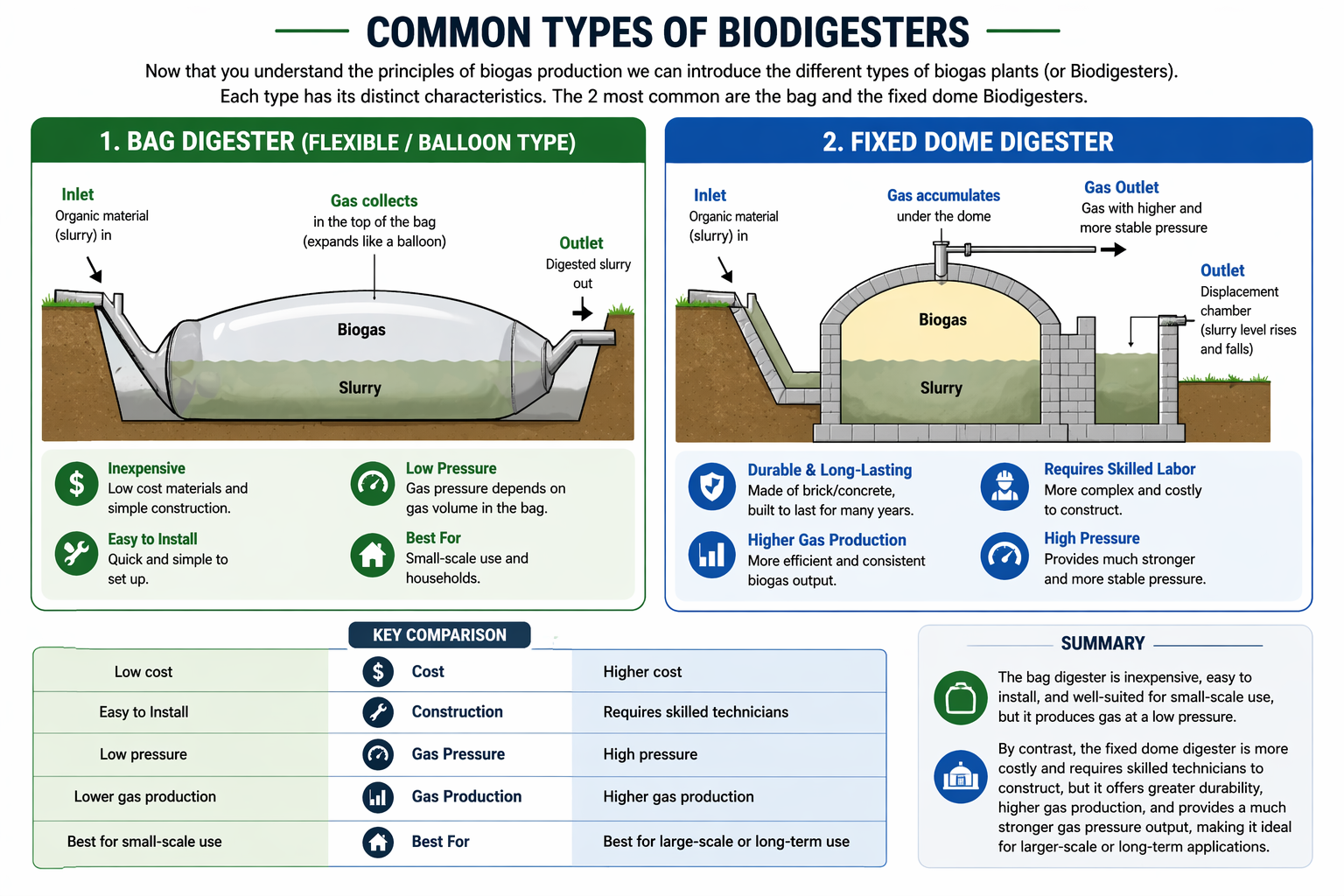
Fig. 4 C/N ratios of common feedstocks — the ideal window of 20–30 is where cow dung sits naturally.#
⚖️ C/N Ratio Explorer — click a feedstock
See where each material falls relative to the ideal 20–30 range.
Case Study: Feeding the Digester#
Common Types of Biodigester#
Now that you understand the principles, here are the two most common digester designs:
Feature |
Bag Digester |
Fixed Dome Digester |
|---|---|---|
Cost |
Low |
Higher |
Construction |
Easy |
Requires skilled technicians |
Gas pressure |
Low |
High |
Durability |
Moderate |
High |
Best for |
Small-scale / household |
Larger-scale / long-term |
The CREATIVenergie Expanding Bag Digester#
This course focuses on the CREATIVenergie Expanding Bag Digester — a design that combines the strengths of both types.
How it works:
Organic waste (e.g. cow dung + water) enters a sealed plastic/rubber bag.
Microbes break it down, producing biogas, and the bag expands.
Gas is piped for cooking and other uses.
After 30–40 days, fully digested material flows out as bio-slurry — a valuable fertiliser.
Session 1 Quiz#
MC Q1. What does anaerobic digestion mean?
True / False Q2. If a digester cools below 10°C, the microbes die permanently and the digester must be restarted from scratch.
MC Q3. Which feedstock has the ideal C/N ratio (20–30) for biogas production?
Fill in Q4. Biogas production requires the complete absence of oxygen — this property of the digester is called ___.
One word. (Hint: the gas can only form in a sealed, oxygen-free environment.)
Number Q5. What is the midpoint of the ideal mesophilic temperature range for biogas production? (°C)
Acceptable range: 30–40°C. Enter the midpoint value.
Number Q6. How many days does cow dung typically need to stay in the digester for optimal biogas production?
Enter the retention time in days.
Match Q7. Drag each feedstock to its correct C/N ratio category.
Drag items from the right column and drop them onto the matching category on the left.
- 🌿 Cow Dung
- 🐔 Chicken Manure
- 🪵 Sawdust
- C/N 20–30 — Ideal
- C/N 7–10 — Too nitrogen-rich
- C/N 200–500 — Too carbon-rich
Summary#
The four key principles of biogas production are:
Airtightness — no oxygen allowed
Temperature — keep it 30–40°C
Retention time — 40 days for optimal breakdown
C/N Ratio — aim for 20–30; cow dung is ideal
In the next session we will learn how to size your digester correctly.
Next: Session 2: Sizing