Session 3: Siting Your Digester#
Learning Objectives#
By the end of this session, you will be able to:
Identify the four key factors when choosing a site for your biogas plant.
Understand the safety distances required from water sources, buildings, and trees.
Explain why convenience of access is critical for long-term success.
Case Study: Choosing a Site#
Sanile demonstrates how to assess and choose the right site for a biodigester.
Introduction: A Firm Foundation#
As with the parable of the house built on rock, the biogas plant must be built on a firm foundation. A poor site choice risks:
Safety hazards (gas leaks near buildings or water supplies)
Construction difficulties (rocks, roots, existing pipes)
Abandonment through inconvenience
The four key factors to consider are:
Safety and Contamination Risks
Proximity to Hazards
Ground Conditions
Access to Inputs and Outputs
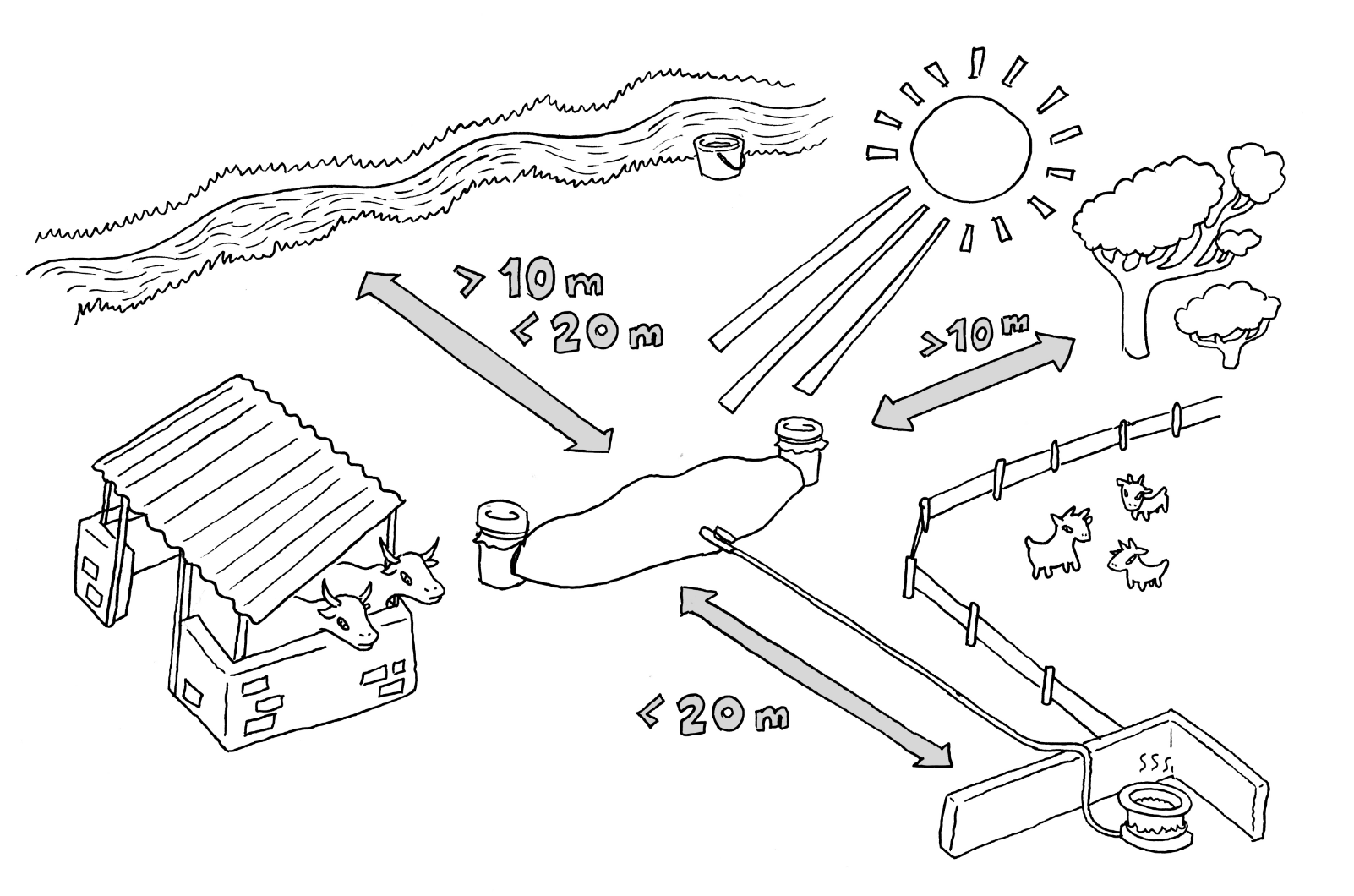
Fig. 8 The four key siting factors: safety distances, hazard proximity, ground conditions, and convenient access.#
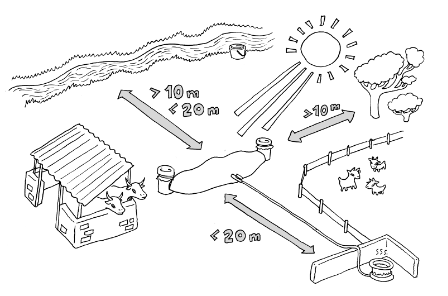
Fig. 9 Key siting distances: keep the digester more than 10 m from water sources and trees, and less than 20 m from the house and animal pen for convenient daily use.#
1. Safety and Contamination Risks#
Locate the biogas plant at least 10 m away from any water source (wells, boreholes, open water). If there are any leaks, this distance prevents contamination of drinking water.
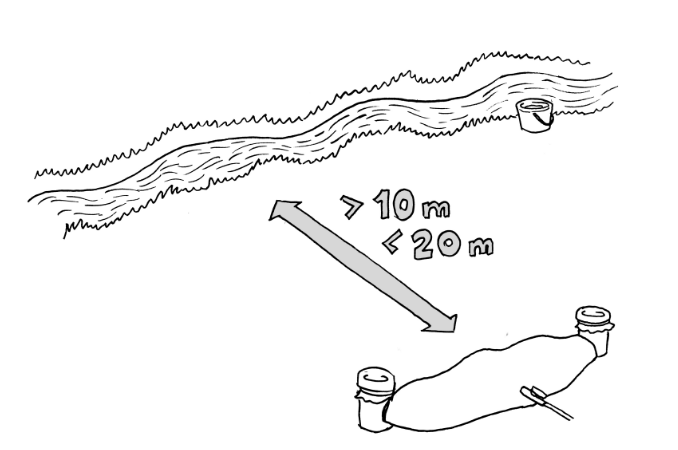
Fig. 10 Minimum safety distances: 10 m from water sources, 3 m from buildings, 5 m from tree crowns.#
2. Proximity to Hazards#
Keep the plant a safe distance from:
Hazard |
Minimum Distance |
|---|---|
Buildings |
3 m |
Trees (from crown edge) |
5 m |
Roads / vehicle tracks |
10 m |
Water sources |
10 m |
Tree roots can grow into and damage the digester bag. If roots are present, they can be treated with a rock salt or caustic soda solution.
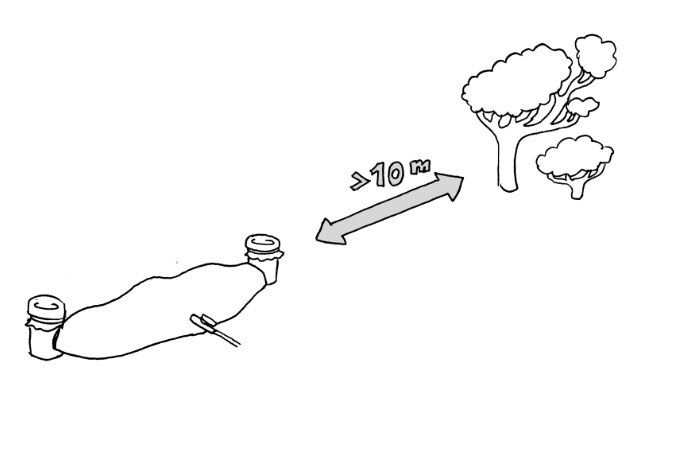
Fig. 11 Keep the digester clear of trees (roots cause damage), roads (traffic vibration), and buildings (gas accumulation risk).#
3. Ground Conditions#
Before digging, assess the site for:
Rocks and boulders — underground rocks can make excavation very difficult and expensive.
Existing infrastructure — drainage pipes, cables, or underground structures that could be damaged.
Soft or waterlogged ground — can cause the structure to shift over time.
Warning
Choose a location where the ground is clear of obstacles. Digging through rock is one of the most common avoidable construction delays.
4. Access to Inputs and Outputs#
Digesters that are inconvenient to use tend to be abandoned. From experience, the most important factor for long-term success is making it easy to use every day.
Consider:
Is the digester close to the source of feedstock (e.g. the cow shed)?
Is it close to a water source (12–20 m recommended)?
Is the walk from the digester to the house short, so gas valves can be checked and turned off easily?
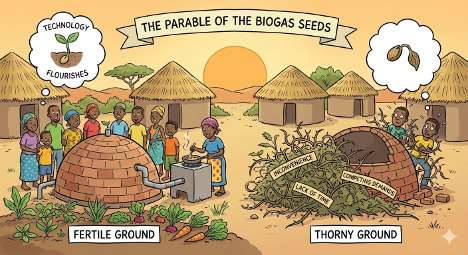
Fig. 12 The Parable of the Biogas Seeds: a well-sited, convenient system flourishes; one built in the wrong place or too far from daily routines is often abandoned.#
Tip
Like seeds in the parable, technology will only flourish where it falls on fertile ground — not where thorns of inconvenience prevent it from taking root.
🧭 Site Assessment Checker
Answer all six questions about your proposed site to get a suitability score.
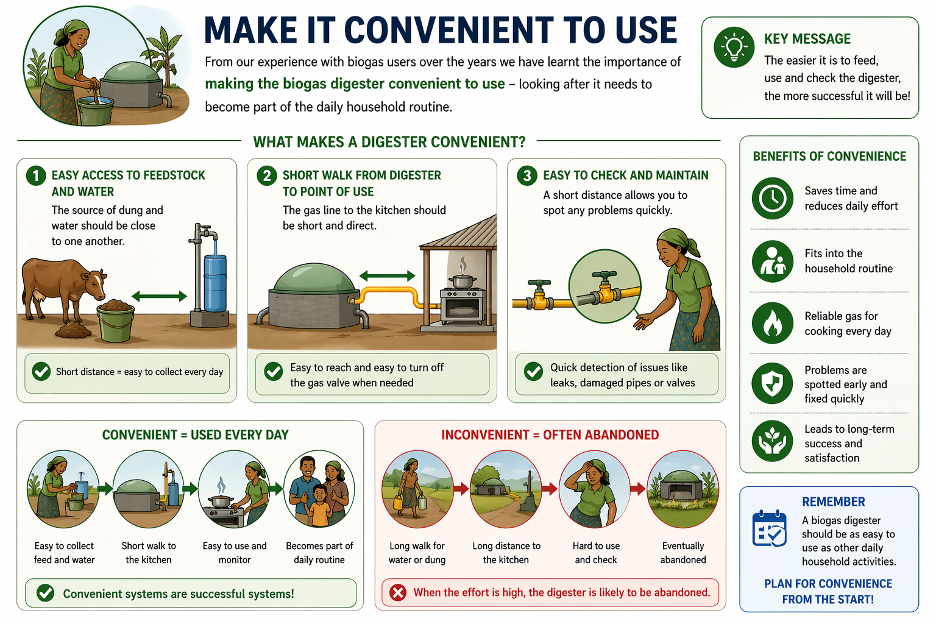
Fig. 13 Convenience is the single biggest predictor of long-term use: short distance to feedstock, easy gas connection to the kitchen, and simple daily routines keep the system productive.#
Session 3 Quiz#
Number Q1. What is the minimum distance (in metres) a biogas plant should be sited from a well or borehole?
Number Q2. What is the minimum distance (in metres) a biogas plant should be from the crown edge of a mature tree?
MC Q3. Which of the four siting factors is most important for ensuring long-term daily use of the digester?
MC Q4. Why should you check for underground rocks before choosing a site?
Fill in Q5. Name one substance that can be applied to soil near the digester to deter tree roots.
Two options mentioned in the session: rock salt or caustic soda.
True / False Q6. A biogas plant should be sited as far from a water source as possible to avoid contamination.
Summary#
The four siting factors are: Safety, Proximity to hazards, Ground conditions, and Access.
The most important for long-term success is access — make the digester easy and convenient to use every day.
Next: Session 4: Safety — understanding the risks and how to manage them.